Agentic AI systems.
Multi-agent workflows that do real work instead of demoing well.
- LangGraph
- LangChain
- MCP
- Python
The problem
An agent that works in a demo can still fail on step ten of a real task. It calls the wrong tool, loses the thread, or answers with confidence and nobody checks.
Here’s how I build itHow I build it.
5 steps from the first conversation to launch. The diagram fills in as each part gets built.
Step 01
Map the work
I start with the job, not the model. We list the tasks the system must do, the data each one needs, and where a person has to approve an action.
Step 02
Build the tools
Agents act through tools. Your APIs and business logic become tools with clear inputs, served from an MCP server so any agent or MCP client can call them.
Step 03
Wire the agents
Each agent gets one job and only the tools it needs. LangGraph holds the state, routes between agents and retries a step that fails. Memory keeps the conversation together.
Step 04
Grade every answer
Before users see it, a set of real questions runs through the system and each answer is graded against a rubric. A change that makes answers worse shows up as a lower score.
Step 05
Ship it and watch it
It goes live with tracing on each call: which agent ran, which tools it used, how long it took. Problems show up on a dashboard before they reach a user.
What you get.
All of it, or only the part you need. Each piece can be scoped on its own.
Built with
- LangGraph
- LangChain
- MCP
- Python
- 01Agent graph design — state, routing, retries, human-in-the-loop
- 02Tool surface over your existing APIs and business logic
- 03An MCP server so any client can call those tools
- 04Rubric-graded evaluation before anything reaches users
Where I’ve done it.
Quoted from my CV, then the builds you can open and check for yourself.

Padelos
Associate AI Engineer
Jan 2026 — Present
- Build LLM-powered agents and multi-agent workflows on the Padelos SaaS platform with LangChain and LangGraph, automating multi-step production processes.
- Developed a Model Context Protocol (MCP) server that exposes platform data and business logic to AI agents through structured tool-calling interfaces.
- Engineer and version system prompts for PadelGPT, the platform assistant, and built a quality-evaluation pipeline that grades responses against a rubric and generates structured Excel and CSV reports.
IR Solutions
Junior AI Engineer
Jul — Dec 2025
- Built production agentic AI systems with n8n and engineered large-scale web scraping and data-ingestion pipelines.
- Delivered end-to-end AI agents from design through deployment in a fast-paced team.
- UH
University of Haripur
BS Computer Science — CGPA 3.79 / 4.0
Sep 2021 — Jul 2025
- Contributed to modelcontextprotocol/inspector, fixing a rendering bug where nested and optional array parameters fell back to raw JSON instead of structured form inputs.
Builds.
All projects- 01
PadelGPT
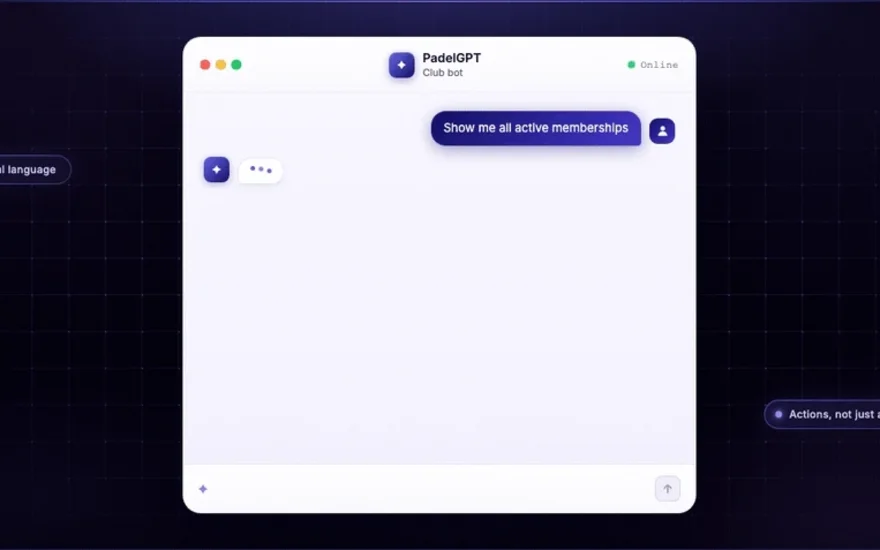
LIVEPlatform assistant for the Padelos SaaS. Answers in natural language and calls platform tools to act on club data, not just describe it.
- Python
- LangGraph
- LangChain
- MCP
- FAISS
- Redis
padelos.co - 02
Player Segmentation
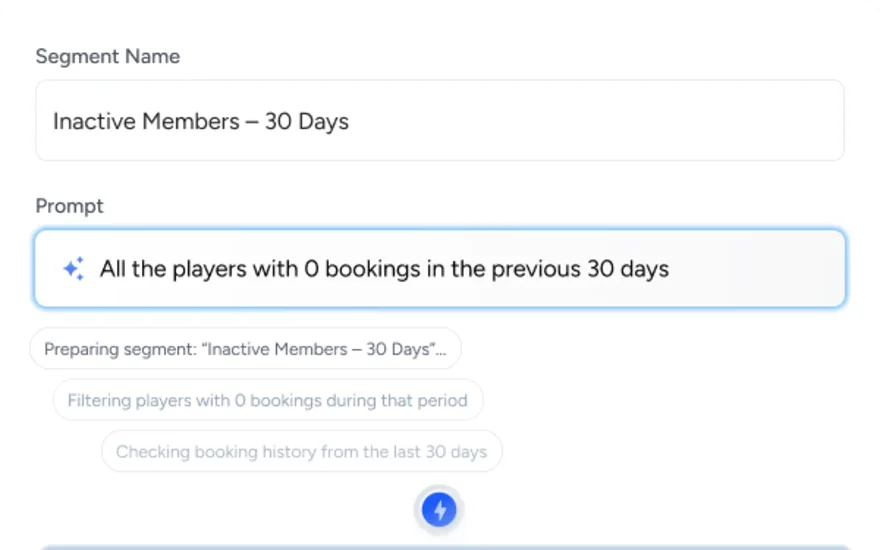
LIVENatural-language player segmentation for the Padelos platform. Describe a segment in plain English and it resolves the filter against real booking and spending history.
- Python
- LangGraph
- LangChain
- Redis
padelos.co
Questions clients ask.
Not covered here? Ask me directly.
Do I need several agents, or is one enough?
Often one agent with good tools is enough, and it is easier to run. I split the work into more agents only when the tasks really differ, such as reading data and changing it.
Can the agents use our existing systems?
Yes. Your APIs and business logic become tools the agents call. With an MCP server in front of them, other MCP clients can use the same tools later.
How do you know the answers are right?
A test set of real questions runs before each release, and every answer is graded against a rubric. You get the scores in a report, so quality is something you can track.
Which model do you use?
The one that fits the task and the budget. The agent graph doesn’t depend on one provider, so the model can change without rebuilding the system.
Other services.
- 02RAG & knowledge systemsAnswers grounded in your own documents, with the retrieval measured.
- 03Web apps & websitesFast, responsive builds in React and Next.js — no AI required.
- 04Full-stack AI productsThe whole product around the model — API, database, and the front end people use.
- 05Automation & data pipelinesThe unglamorous plumbing that moves your data where it needs to be.
- 06ML & computer visionCustom models for when a general-purpose API is the wrong tool.
- 07Deployment & observabilityGetting it live, and knowing the moment it stops working.
Work with me
Have a project like this?
Tell me what you want to build, and I'll tell you how I would approach it.